Everyday Ethology
Everyday Ethology is a column shaped by the animals we work with, the people who care for them and the insights that arise between wild and domestic worlds.
We hope these pieces spark ideas of your own. Your observations and experiences might offer perspectives that help others and we welcome you to share them.
Search by Category
Groundwork: The First Dance
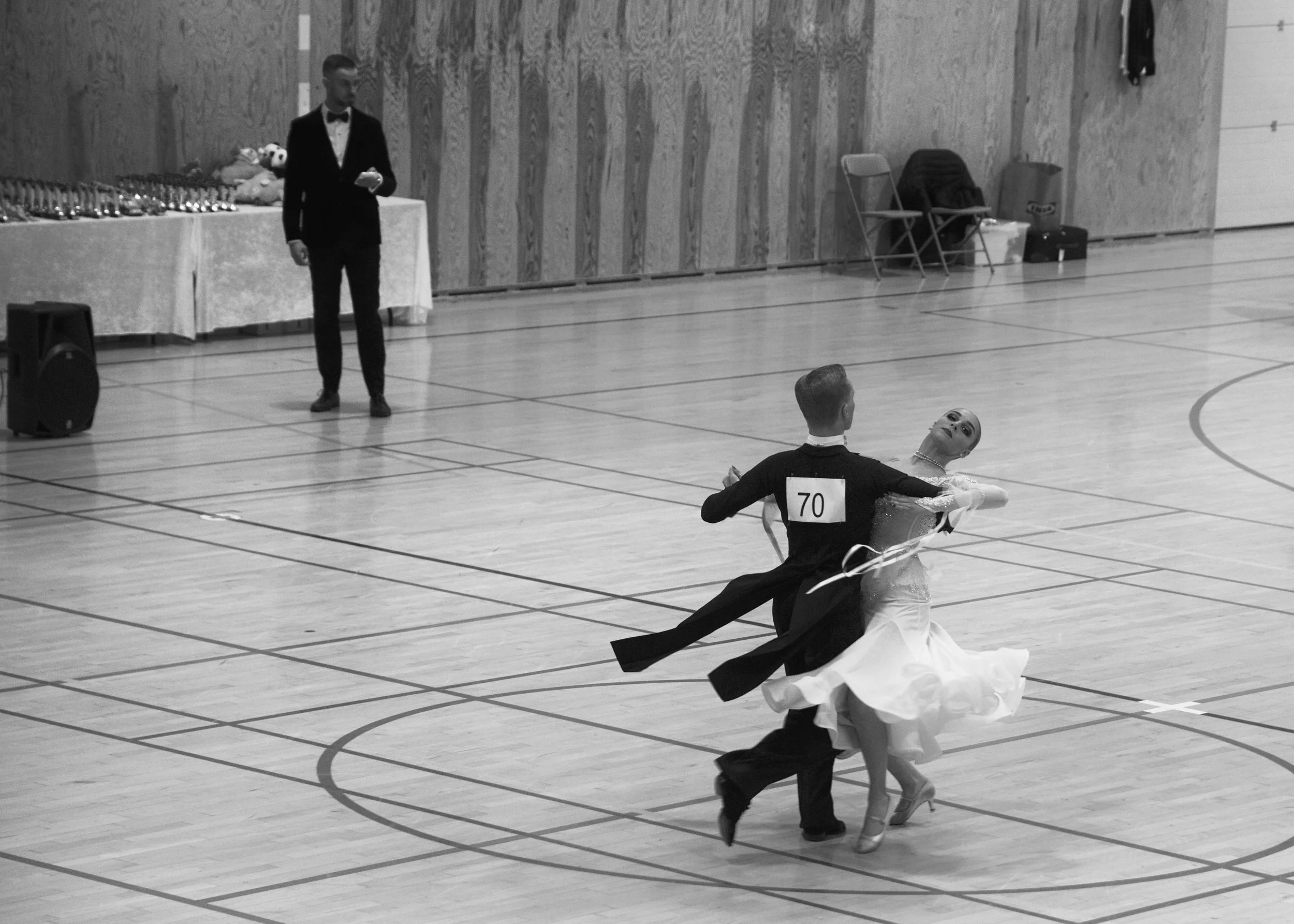
Groundwork begins not with techniques but with synchrony. Drawing on ethology, biomechanics and classical riding principles, this perspective explores how horses and humans find rhythm together through shared movement. By paying attention to footfalls, tempo and subtle shifts in balance, groundwork becomes less about control and more about conversation. When horses and humans move in a shared feedback loop, the foundation for partnership, relaxation and effective riding naturally emerges..
Blanketing: Straps, Snaps and Snafus
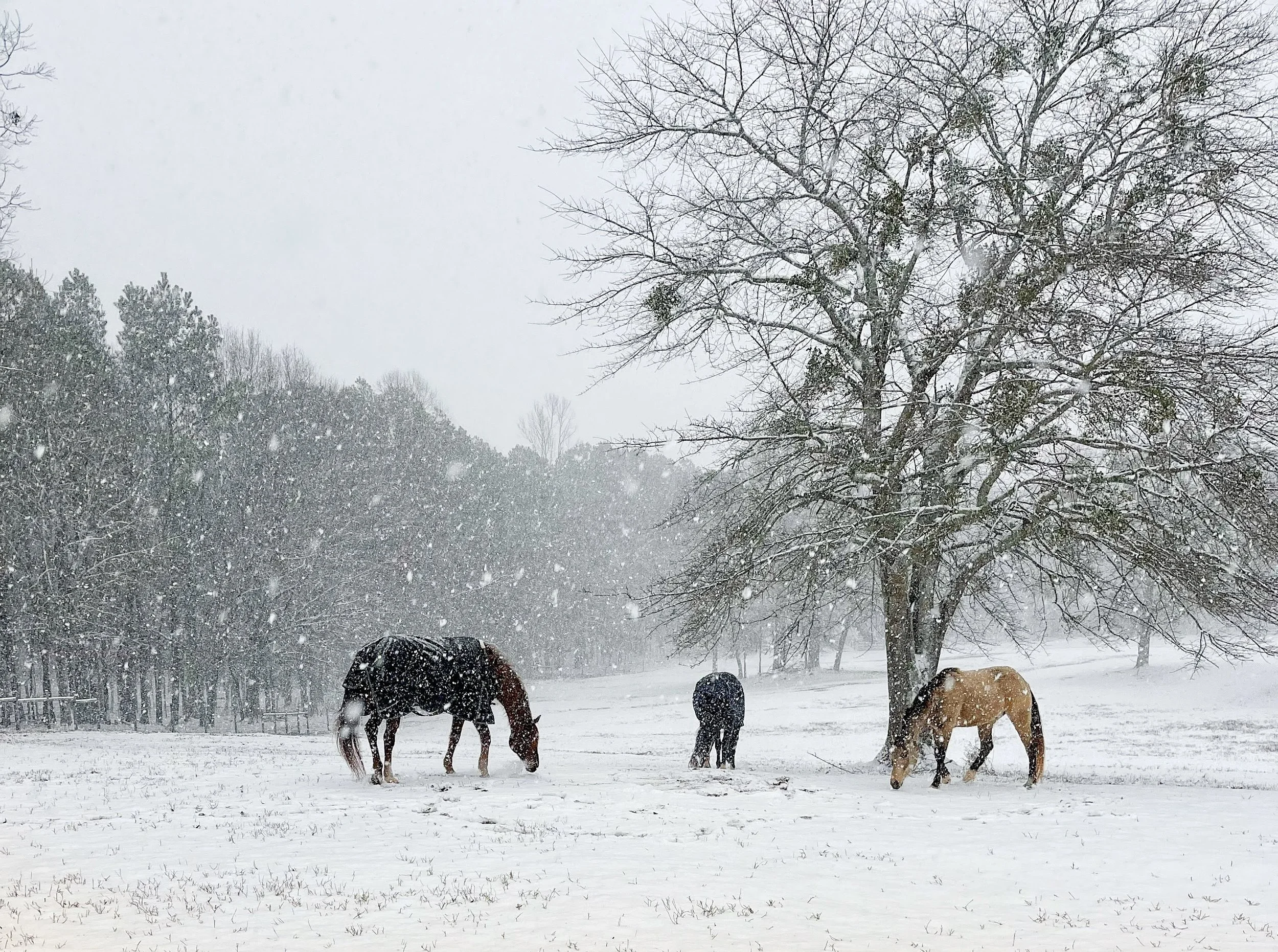
Unusual winter storms across the southern United States have pushed many horse caregivers into fast lessons about cold weather care, making blanketing a practical, context dependent tool rather than a rule to follow. Joined by dressage trainer Elizabeth King, Désirée explores how horse coats function as adaptive biological systems shaped by climate, genetics and lived conditions, how domestication alters those systems and why wet cold often matters more than temperature alone. The article looks at which horses benefit most from blanketing, common fit and waterproofing failures that create hidden stress and the importance of foundational winter care such as continuous forage, shelter and water access before reaching for a sheet. The focus returns to observation over ideology: noticing what each horse does in each set of conditions and adjusting accordingly.
Is Your Horse a People Pleaser: Are You?
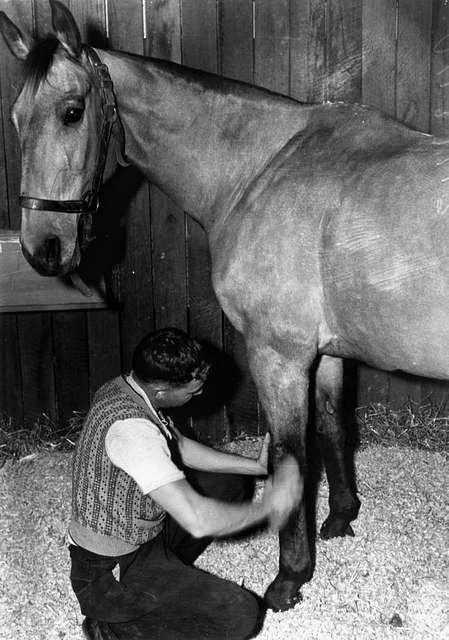
Discover how people-pleasing patterns in humans mirror subtle appeasement behaviors in horses. This article explores the difference between true cooperation and quiet compliance, why “prey animal” labels miss the full picture of equine coping strategies, and how to recognize the often-overlooked signs of stress or fawning in your horse. Learn what these patterns reveal about both equine wellbeing and your own nervous system responses.