Everyday Ethology
Everyday Ethology is a column shaped by the animals we work with, the people who care for them and the insights that arise between wild and domestic worlds.
We hope these pieces spark ideas of your own. Your observations and experiences might offer perspectives that help others and we welcome you to share them.
Search by Category
Licking and Chewing: Now What?
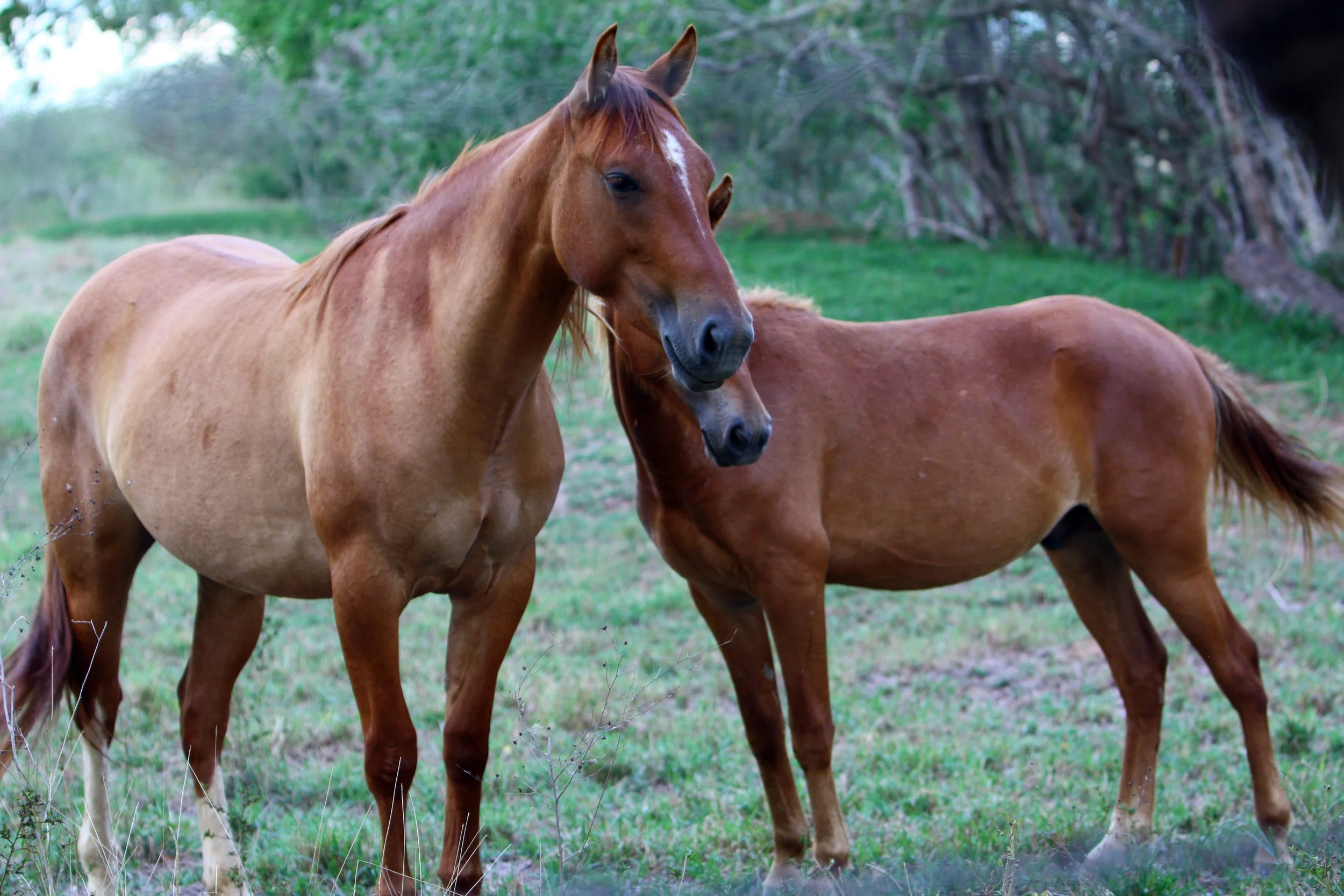
Many people who work with horses interpret licking and chewing as a sign that a horse is "processing" or accepting a lesson, but current peer-reviewed research does not support this claim. Instead, the behavior may reflect changes in arousal, physiological recovery, stress, conflict or learned responses to human behavior. The article encourages readers to interpret licking and chewing within the broader context of the horse's body language, physiology and environment rather than assigning it a single meaning.
Shedding: A Moving Landscape
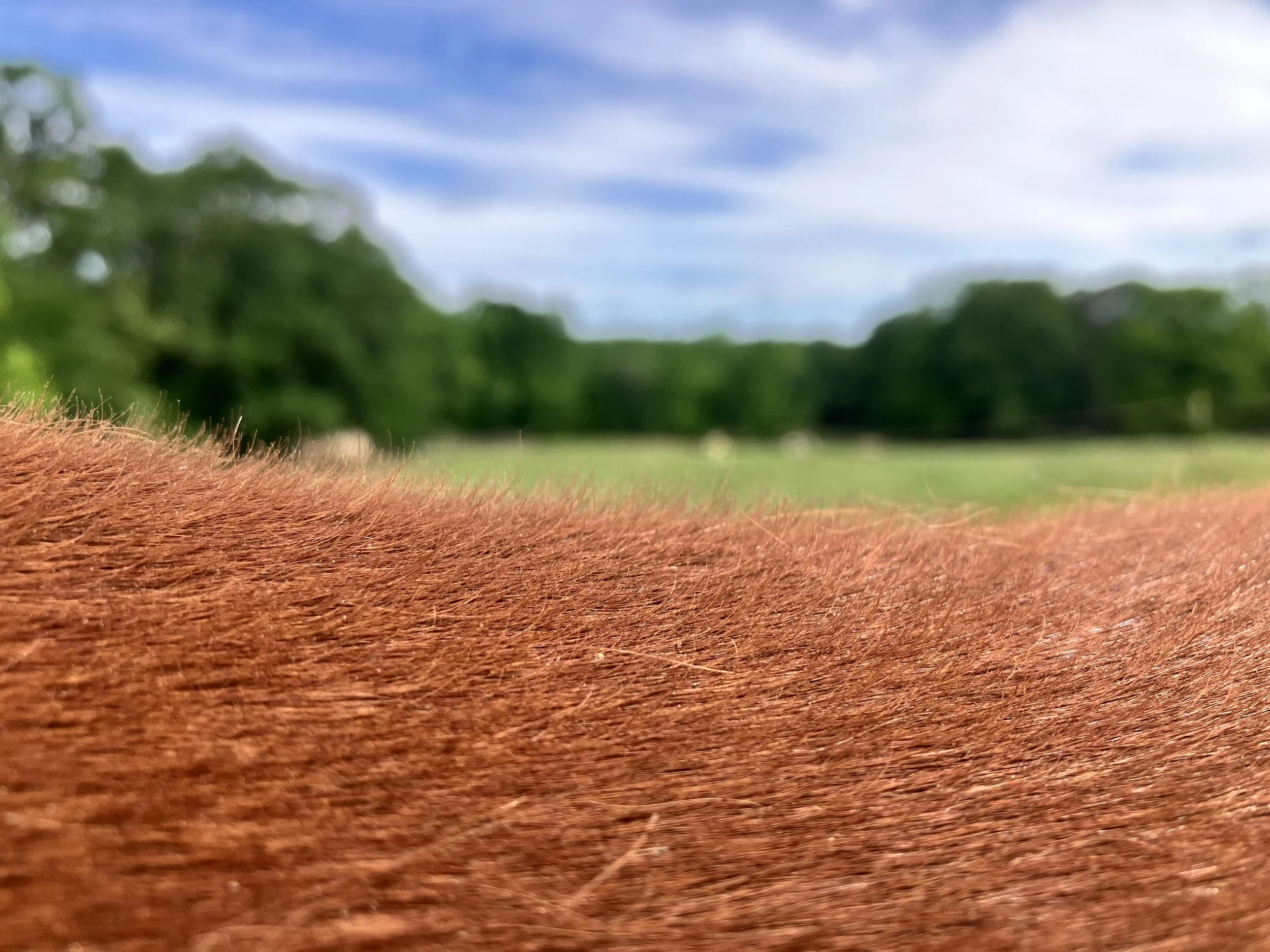
Spring shedding in horses is more than loose hair. It is a complex, biologically driven process shaped by daylight, nutrition and environment. Understanding how the coat transitions can help you better support your horse’s health, comfort and natural seasonal rhythms.

Horse Manure as Fine Wine: Notes from the Stable Sommelier
Ever sniffed horse poop and wondered what it meant? Turns out, manure might be one of the most honest signals of equine health. Explore how smell, texture, and behavior around droppings can clue you into your horse’s gut health.

Why Are So Many Domesticated Horses Lame?
This week’s question comes from Alana Somerset, a Veterinary Physiotherapy student based in London, UK. Alana writes:
“I’m really fascinated with free-living horses and how their locomotion and conformation may differ from our domesticated horses. We are always taught how horses should be, but what is actually best for them given the circumstances?”

Quick Reads: Magical Latherin!
Unlike us, horses don’t sweat just to cool, they sweat with a chemical twist. One protein in particular makes their sweat magical: latherin. This was explored in a 2013 study, The structure of latherin: a surfactant allergen protein from horse sweat and saliva. Though published over a decade ago, latherin remains a mystery scientists continue to probe.
Barn Drama Included: Real-Life Lessons in Horse Feed, Hay Sourcing & Unexpected Challenges
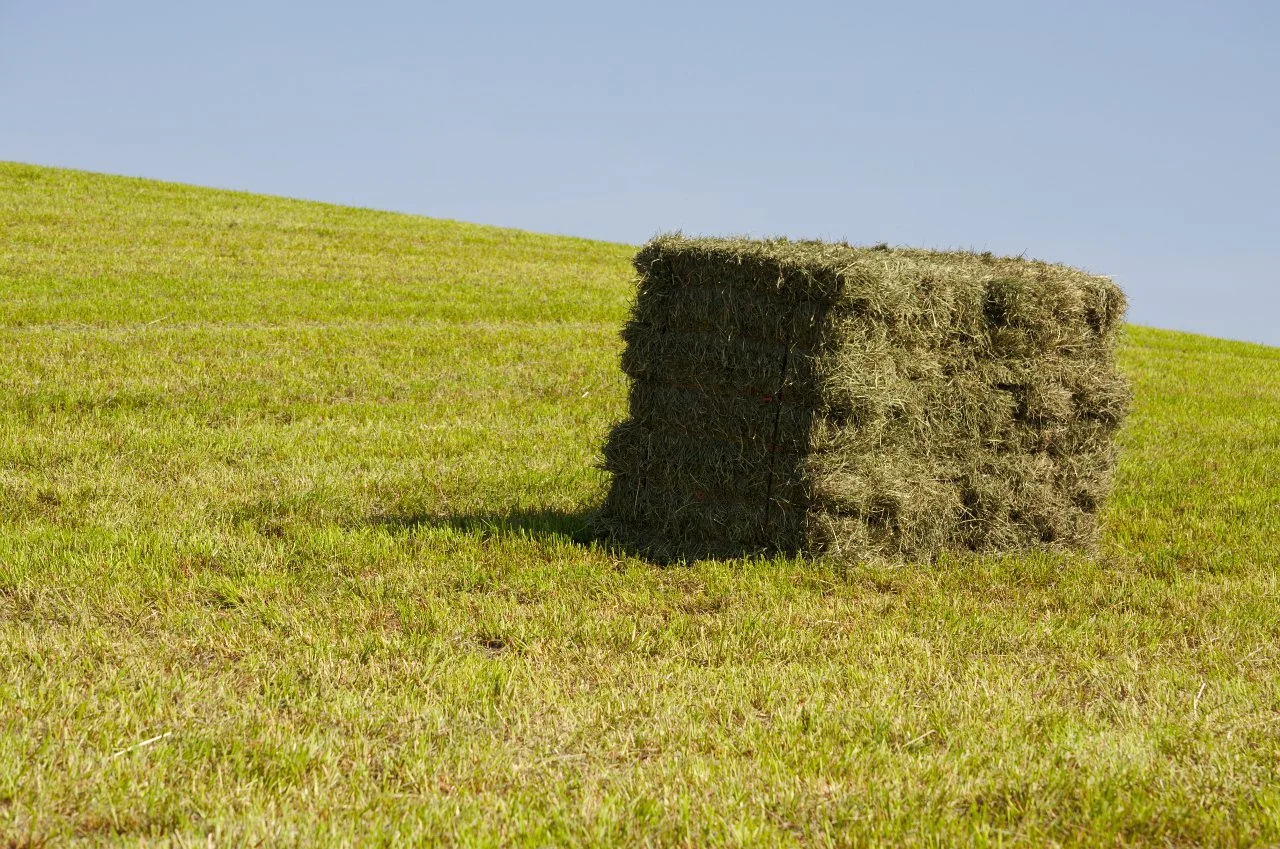
Relocating with horses isn’t just about new barns. It’s new feed, hay and challenges. Discover what one equine pro learned about alfalfa, additives and drama in the feed aisle.

What Do You Feed a Horse Who Was Bred to Eat Nothing?
Having spent my childhood in the Middle East, working with clients in the region now brings me a sense of reconnection. The bond between horses and humans in the Arabian world spans thousands of years, deeply embedded in tradition.
