Everyday Ethology
Everyday Ethology is a column shaped by the animals we work with, the people who care for them and the insights that arise between wild and domestic worlds.
We hope these pieces spark ideas of your own. Your observations and experiences might offer perspectives that help others and we welcome you to share them.
Search by Category
Groundwork: The First Dance
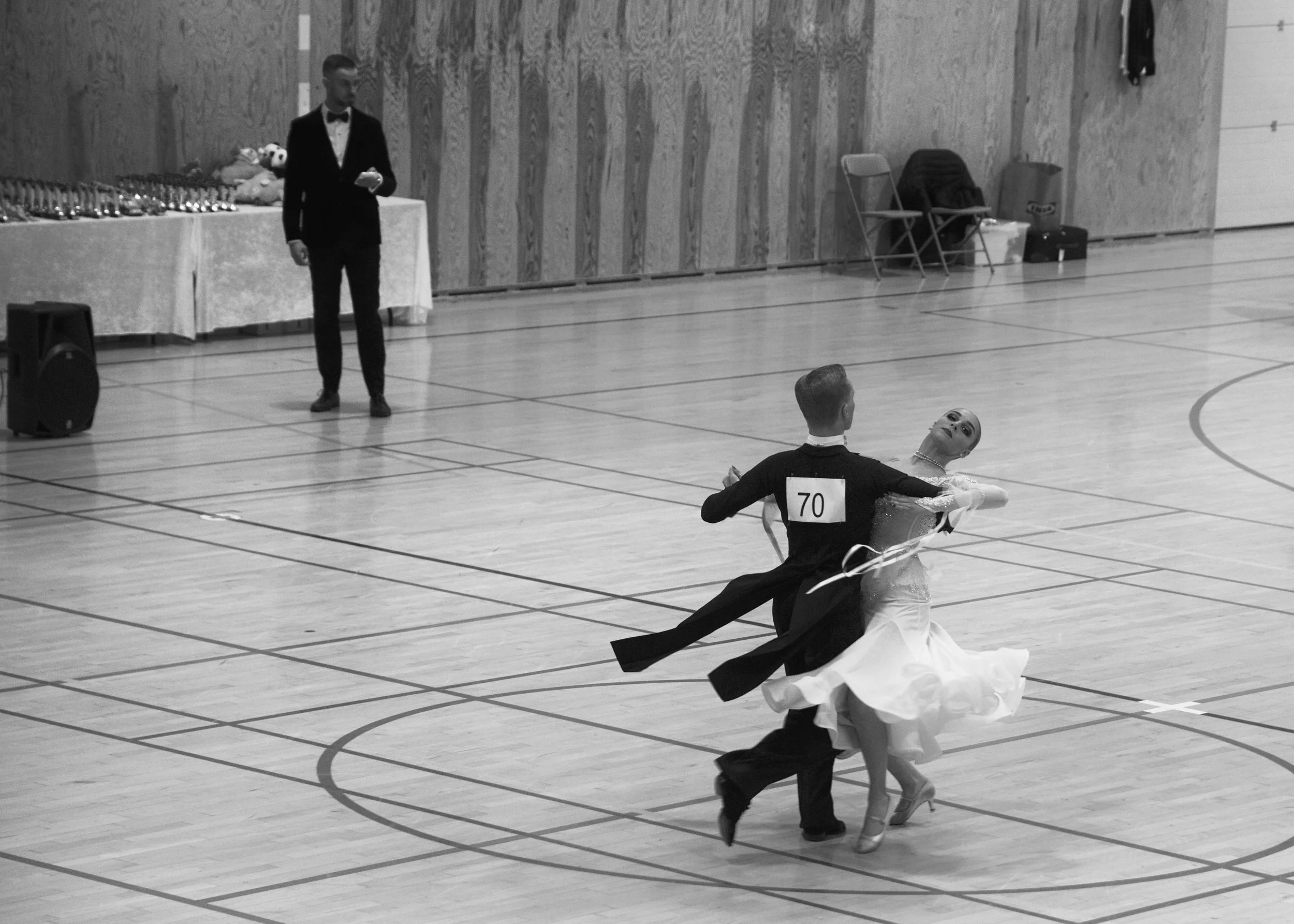
Groundwork begins not with techniques but with synchrony. Drawing on ethology, biomechanics and classical riding principles, this perspective explores how horses and humans find rhythm together through shared movement. By paying attention to footfalls, tempo and subtle shifts in balance, groundwork becomes less about control and more about conversation. When horses and humans move in a shared feedback loop, the foundation for partnership, relaxation and effective riding naturally emerges..
Licking and Chewing: Now What?
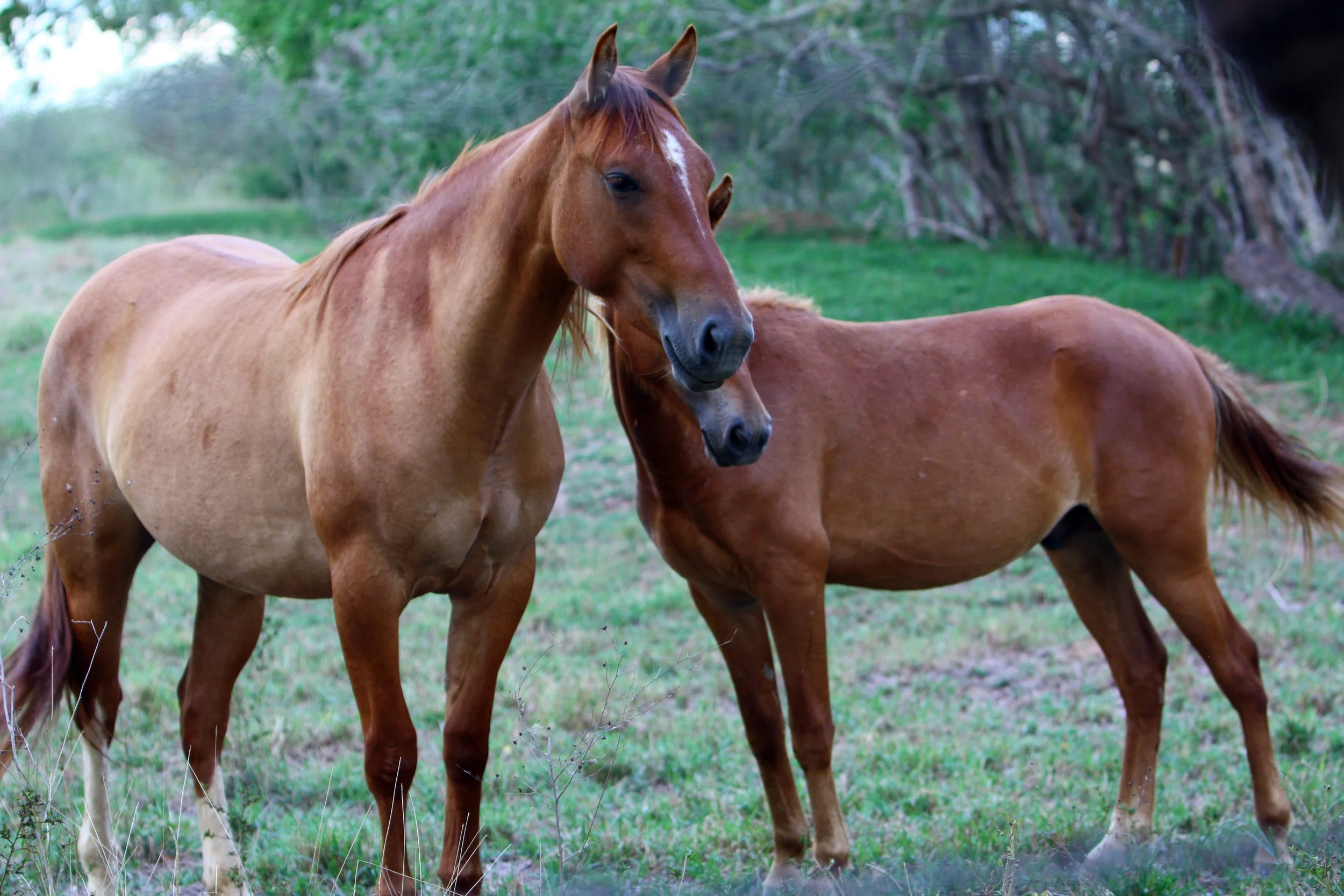
Many people who work with horses interpret licking and chewing as a sign that a horse is "processing" or accepting a lesson, but current peer-reviewed research does not support this claim. Instead, the behavior may reflect changes in arousal, physiological recovery, stress, conflict or learned responses to human behavior. The article encourages readers to interpret licking and chewing within the broader context of the horse's body language, physiology and environment rather than assigning it a single meaning.
Quick Reads: Not Ours to Name: On Empathy Without Ownership
Anthropomorphism - our tendency to assign human characteristics to non-human animals isn’t inherently a mistake. Often it’s the bridge that allows us to care. But it’s layered: there’s empathy and intuition for our fellow mammals and then there’s supplanting our identity onto them to serve ourselves.
That’s the tension we navigate in our work. The question isn’t whether we anthropomorphize, but when it helps and when it gets in the way.
Quick Reads: Say What you mean
The language we use to refer to our horses sets the tone for how we relate to them. Too often they are spoken of as objects: it. Or infantilized as ‘my boy’ or ‘my girl’. Relationships are framed in transactional terms like buyer, owner, or rescuer. But what if your words reflected the deeper truth of your bond?

Quick Reads: Ask for Whatever You Want
This piece is a reflection of Say What You Mean and is an English translation of the original Spanish commentary. This reflection does not equate the experiences of enslaved people with those of horses. Rather, it questions how language and expectations reveal a shared pattern: treating living beings, human or non-human as objects meant solely for use.

Do Our Horses Love Us?
I love this question because it touches on the profound nature of our relationships with equines. Writing a response required introspection and a willingness to confront some uncomfortable truths about how humans have historically interacted with and “loved” horses. Concepts like love, connection, and trust are particularly hard to define—especially when applied to nonhuman animals. Rather than attempt to pin down a single definition, we’ll explore how horses may express these qualities in their own unique ways.

Walking Together, One Last Time
There is little definitive knowledge about how horses in the wild or those living freely experience the illness and death of a companion. Anecdotal accounts vary widely. Some horses refuse to leave the side of a struggling friend; others linger near a body that has already grown still. Some stand guard in quiet solidarity, while others seem to recognize the inevitable and accept it without hesitation.